How do you get a helicopter pilot's license in Belgium? Everything you need to know
You’ve been thinking about it for a while. Flying. Not as a passenger, but at the controls yourself. But how do you get started? What do you need? And how long does it take? In this article, we’ll walk you through the entire process—from your first question to the moment you take to the skies on your own.
What license do you need?
There are three licenses for helicopter pilots, each with a different purpose:
PPL(H) Private Pilot License: The entry-level license. This allows you to conduct private flights as a non-professional pilot, alone or with passengers, within Europe. No special prior training required.
CPL(H) Commercial Pilot License: For those who want to make flying a career. With a CPL(H), you can be paid as a pilot, and professional applications such as VIP transport, aerial photography, and HEMS become accessible.
ATPL(H) Airline Transport Pilot License: The highest-level license. Opens the door to major commercial operations and captain positions.
What are the requirements?
The barrier to entry is lower than you think:
- No special prior education required: you don’t need to have studied science
- Minimum age: solo flying is permitted from age 16, and you can obtain your license from age 17
- Class 2 medical examination: a standard aviation medical exam by a certified physician
- Minimum of 45 flight hours: required for the practical exam
- Pass all 7 theory subjects
That’s it. No driver’s license, no diploma, no upper age limit.
What does the training program look like?
The PPL(H) consists of two main parts: theory and practice. They run parallel. It’s best to combine them from the very beginning.
Theory
The theoretical training covers 7 subjects: principles of flight, general helicopter knowledge, navigation, radio communication, meteorology, regulations, and human performance. Classes are taught in small groups of 5 to 10 students. This ensures personalized guidance and a strong group atmosphere.
You start with a motivating combination of theory and practice: in the first phase, you’ll already fly for about 4 hours, so you immediately get a feel for what you’re learning.
Three programs to choose from:
- Standard: 10 months, 1 class per week of 3 hours, group instruction of approximately 100 hours. Ideal if you’re combining the program with a job or studies.
- Intensive: 4 months, 1 to 5 lessons per week of 2 to 4 hours, 75 to 100 hours of individual instruction. For those who want to progress quickly.
- Distance learning: self-paced, 1 session per month, minimum 10 hours of individual guidance. For self-study types.
Practical Training
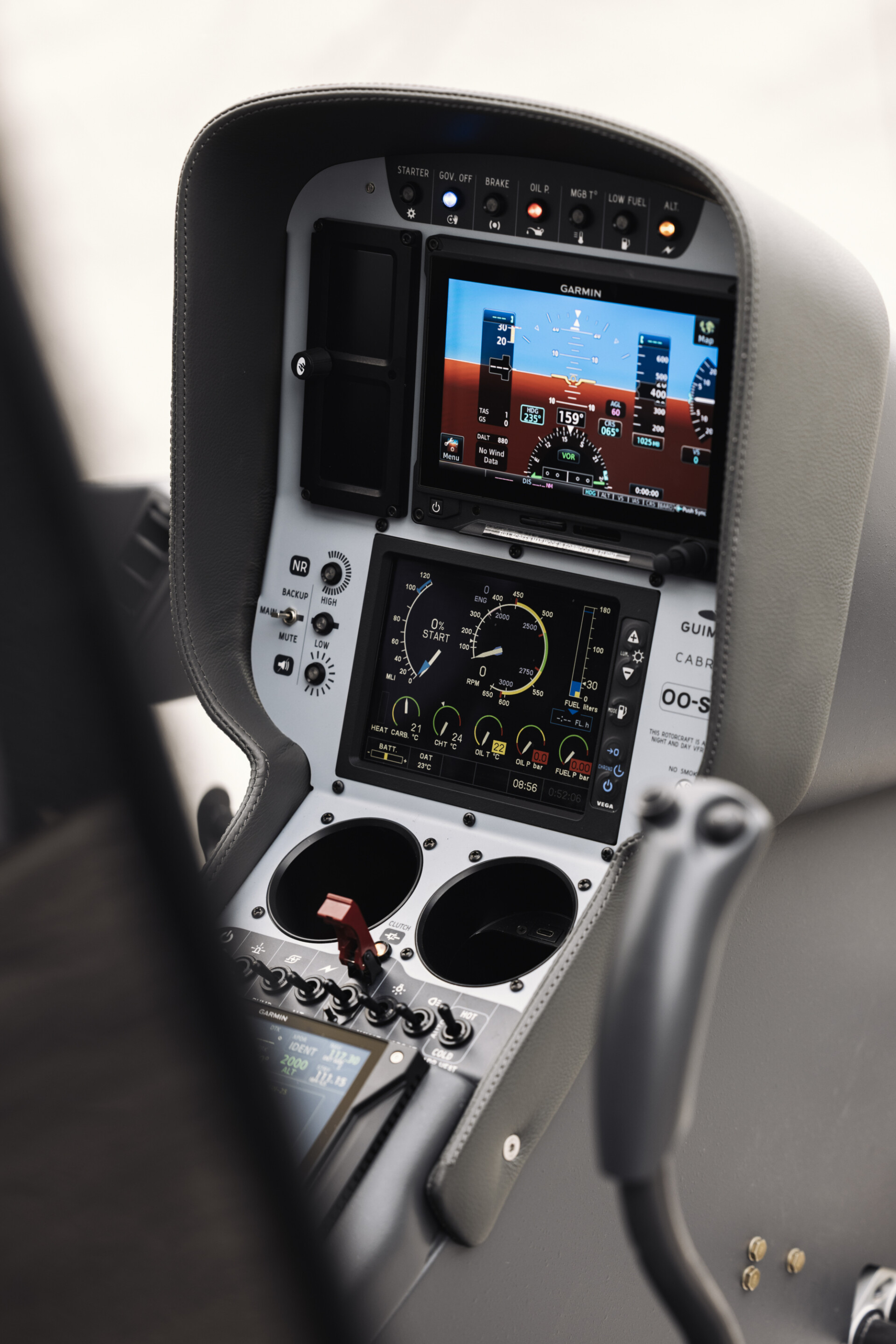
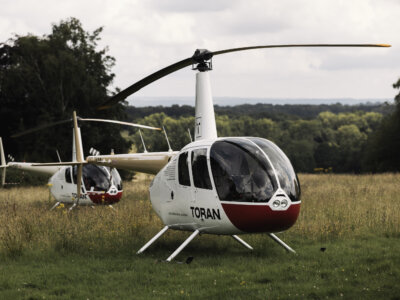
Flight lessons are conducted in a Guimbal Cabri G2 or Robinson R44, by individual appointment with one of the Toran instructors. Someone is available 7 days a week. You choose your departure location: Kortrijk, Antwerp, Knokke, or Sint-Truiden.
The practical training consists of three phases:
- Basics: stable flight, climbing and descending, turns, hovering & taxiing, circuit training, and communication.
- Advanced maneuvers: autorotation training, emergency procedures, cross-country flights, navigation, and preparation for the practical exam.
- Solo flights: solo hover, solo circuit, solo navigation. The moment when it all comes together.
How long does it take?
That depends entirely on your pace and availability. On average, a PPL(H) takes a year, but those who study intensively and fly regularly can earn their license in 6 months. There is no deadline. You work at your own pace, with the support of your instructor.
Exams
For the theory portion, you’ll take 7 exams. These can be taken at CBR in the Netherlands, DGLV in Brussels, or Austrocontrol in Antwerp. You need a minimum score of 75% per subject and have 4 attempts per subject.
In addition to the theory exams, you also need a Class 2 medical examination and an English Language Proficiency (ELP) certificate.
The practical exam (the skill test) is administered by a certified examiner.
And then?
The PPL(H) is both an endpoint and a starting point. Those who wish to can then progress to a CPL(H) or ATPL(H), obtain additional ratings for new aircraft, or pursue further training such as night VFR, mountain flying, or a Flight Instructor certificate.
Toran guides you through the entire process, from your first lesson and far beyond.
How do you get started?
The easiest way to get started is with a free info session: no obligations, just listen, ask questions, and see if it’s right for you. If you’re ready to take the next step, you can book an info day where you’ll get to fly yourself right away.
-
News
30 helicopters, over 350 visitors, one unforgettable evening: Toran Café Summer makes history in Bellem
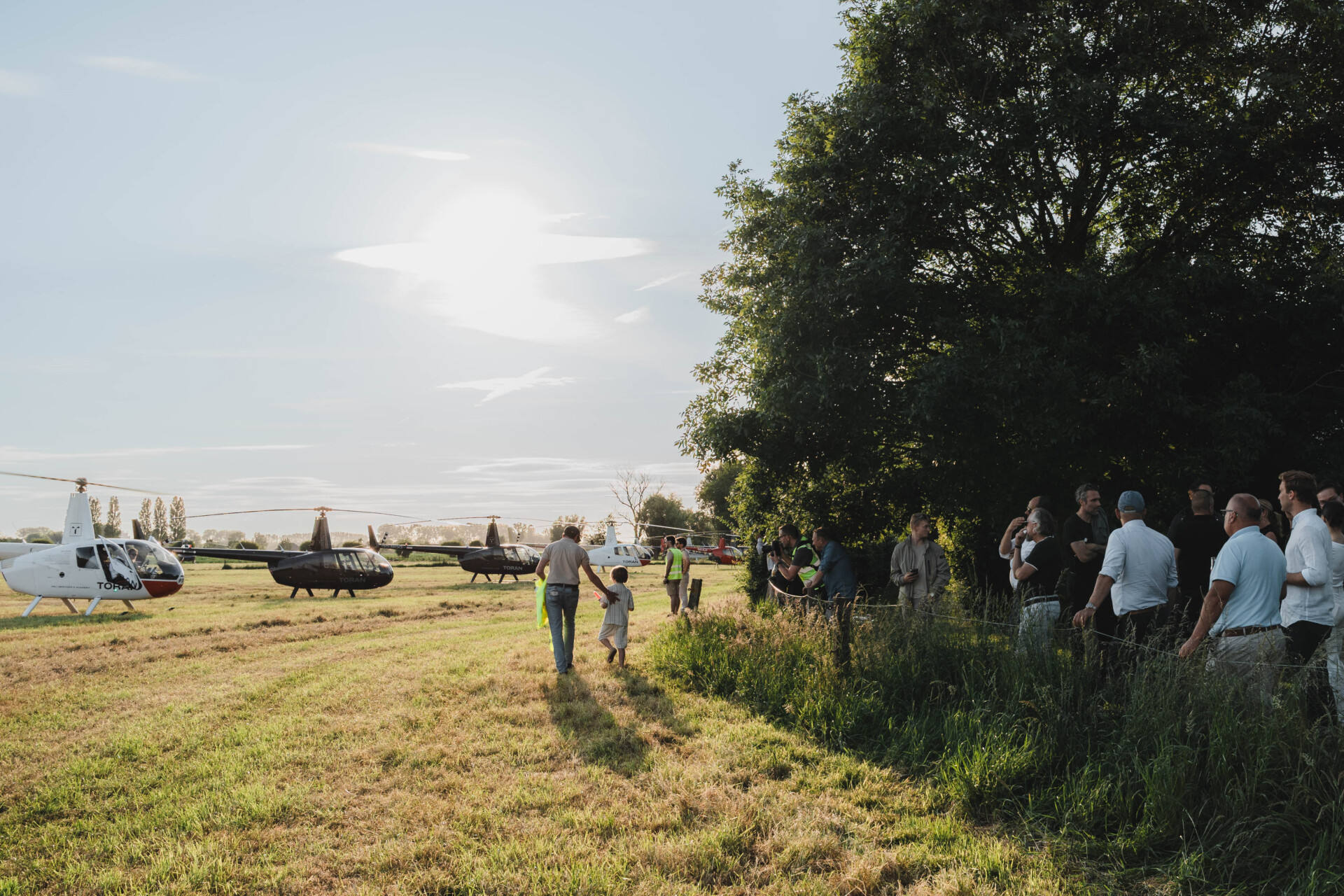
At the stroke of 11 p.m., the curtain fell on an evening that will go down in Belgian helicopter history. Toran Café Summer, the summer networking event organized by Toran Heli Services & Academy, not only drew dozens of pilots and hundreds of visitors to Bellem, but it also set a record that, until recently, seemed unbreakable.
-
News
Becoming a Pilot in Belgium: Why a Helicopter Is the Smartest Choice
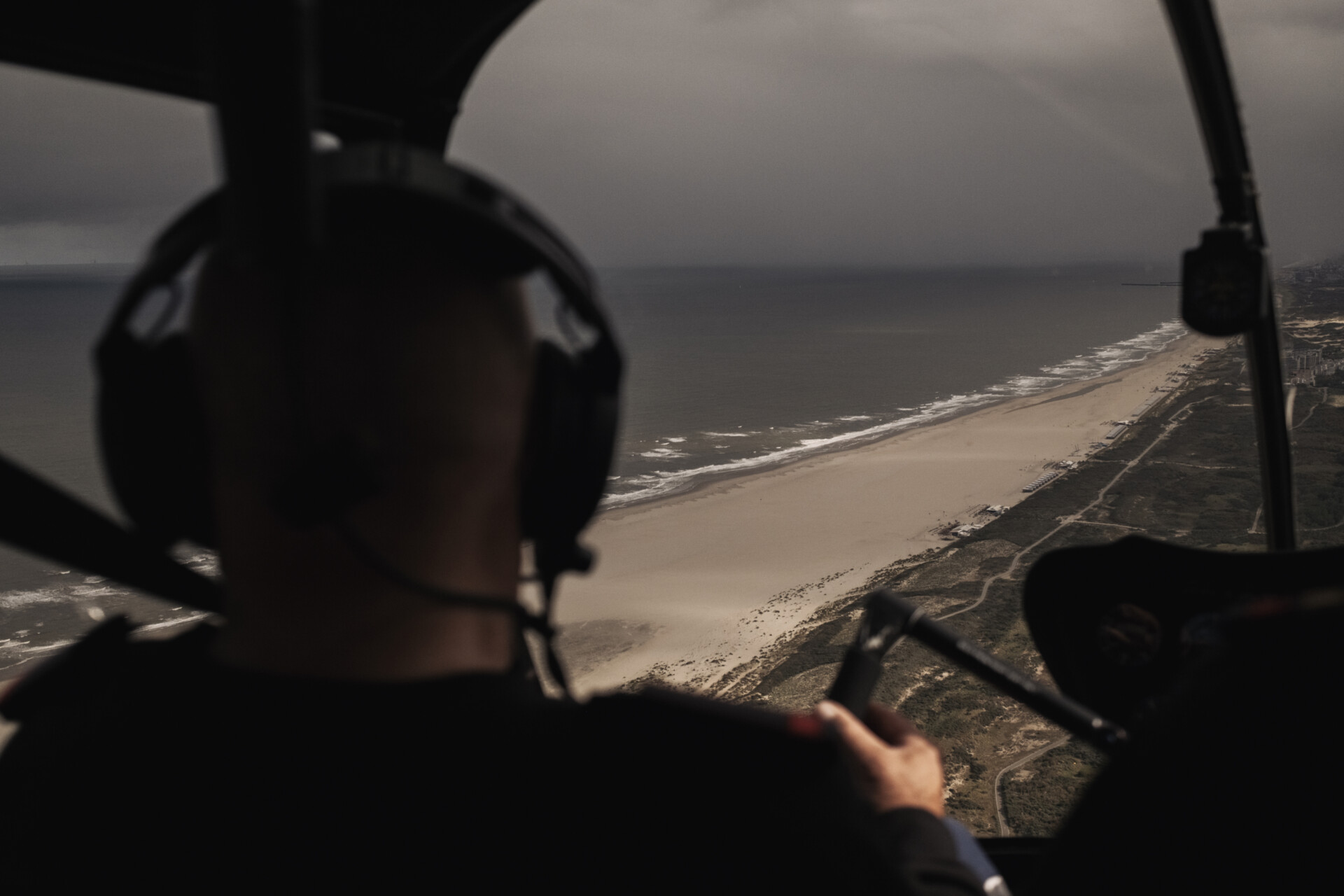
You want to become a pilot. But what kind of pilot? Airplane or helicopter? It’s a question many people ask themselves—and one to which they often get the wrong answer, because helicopter flying is unfairly portrayed as a niche or unattainable field. That’s not true. In this article, we explain what helicopter training in Belgium entails, why it’s an excellent choice, and how to get started.
-
Blog
How much does a helicopter flight with Toran cost? A complete list of prices
Flying in a helicopter over Belgium. It sounds like something only a select few can enjoy. But it’s not. At Toran, you know exactly what a flight costs, what you get for that price, and how to book. No surprises. This article lists all the rates.